Making cavitation measurable - reducing erosion while protecting the environment with LTT measurement technology
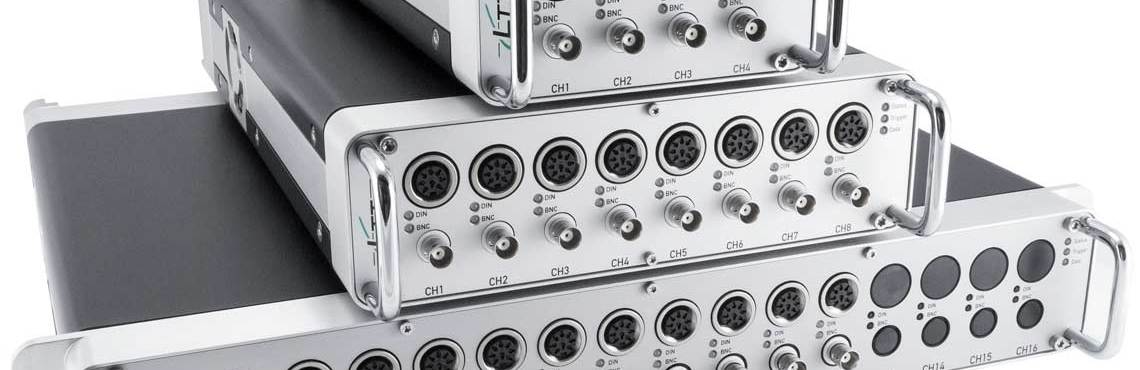
Marine researchers in Eckernförde, Germany, and at the Marin Maritime Research Institute in the Netherlands analyze underwater noise using the best equipment available on the market: the LTT24, a high-precision data acquisition system with high resolution and bandwidth that outperforms all competitors.
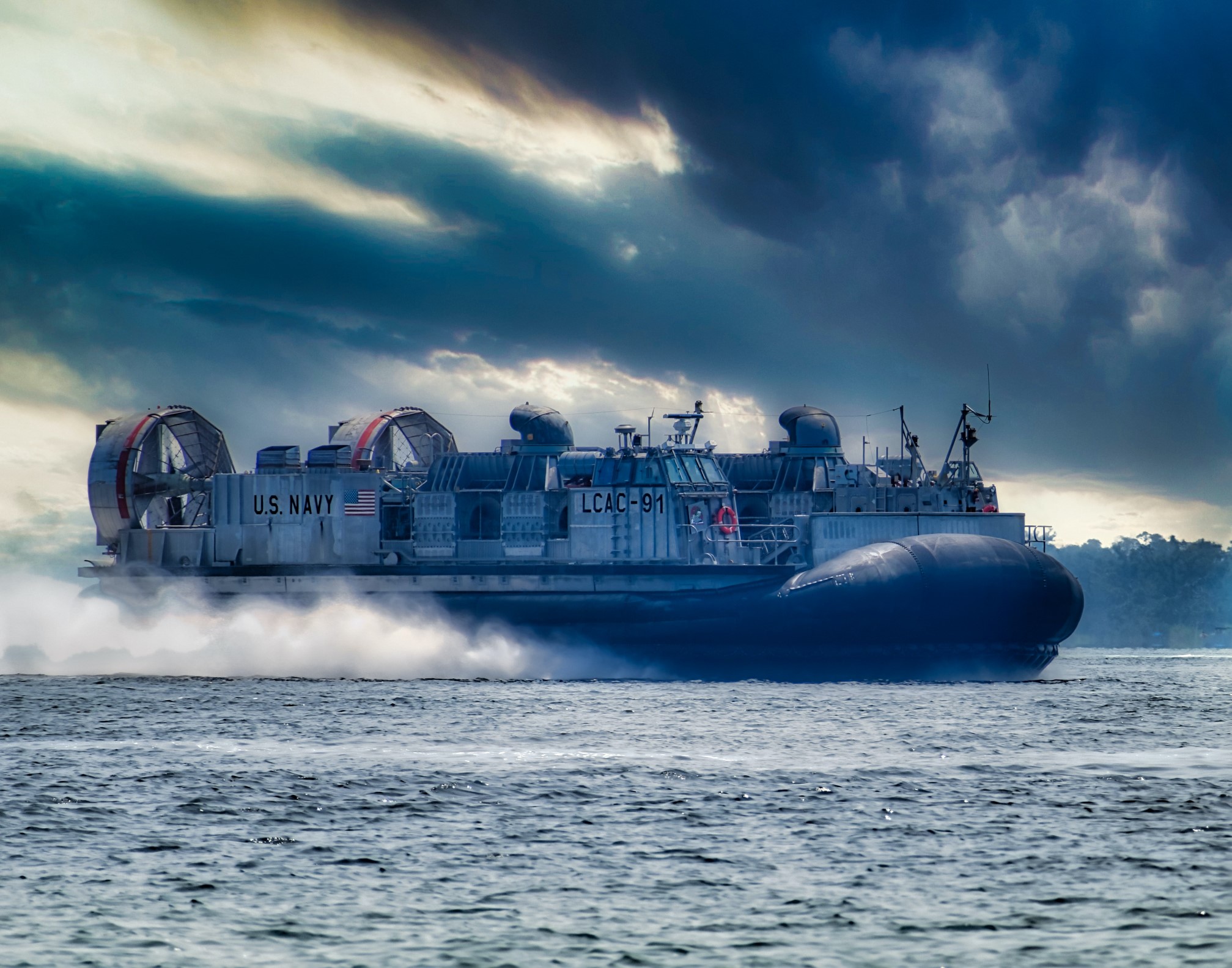
In recent years, underwater noise from shipping and its impact on marine life has received a lot of international attention. For example, the European Union has explicitly named underwater noise as one of the “characteristics” of “good environmental status” in its Marine Strategy Framework Directive (source). Although this is not yet a strict regulation, it is likely to come into force in the near future. Several classification societies already offer “silent ship” certifications. Once a ship has obtained such certification, the operator receives a discount on certain port fees, for example. These financial incentives are intended to encourage the construction of quieter ships. The topic is already receiving a lot of attention in the media (source).
However, it is also important to understand how the high noise levels arise in the first place and how exactly ship designers can act to reduce them. This is where the so-called cavitation effect comes into play:
The effect known as “cavitation” is, once it occurs, the main source of underwater noise from a ship.
Cavitation is the effect of steam-gas bubbles created by the strong negative pressure on the suction side of a ship's propeller (the water partially evaporates there).
As soon as these bubbles reach the other side of the ship's propeller, the pressure increases rapidly and the bubbles that have just formed are compressed to the point where they eventually collapse. As the bubbles shrink in size, the internal pressure of these bubbles increases dramatically, causing them to generate a miniature high-pressure shock wave when they collapse. These shock waves not only have a massive impact on the noise level generated, they are also capable of “blowing” tiny pieces off the propeller if cavitation occurs in the immediate vicinity of the propeller itself. Severe cavitation will therefore limit the service life of the propeller. Cavitation is illustrated graphically here: YouTube.
A ship that exhibits this undesirable effect is difficult to retrofit. It is therefore advisable to check during the design phase whether the ship will meet the specified noise requirements. In addition, measurement on a model scale is much more practical than in full size. In recent years, the number of noise measurements in MARIN's wave damper basin “DWB” has increased significantly.
The bandwidth of the generated noise level reaches up to several hundred kilohertz - far above the human audible range, but in the middle of the sensitive frequency range in which whales, dolphins and porpoises communicate with each other.
Measuring these high frequencies, as well as all other sounds from sometimes much lower frequency sources, places extreme demands on the measurement systems to be used (also read: Measurements during underwater blasting tests).
These requirements are pushing the limits of what is possible and become even more challenging when the sound measurements are to be used to determine the 3D position of sound sources underwater.
The LTT24 data acquisition systems are the world's best instruments to accomplish these demanding tasks:
Scientists around the globe are showing increasing activity in this area, defining the LTT24 as the must-have in performance and reliability. Other applications include:
Contact our experts to learn more about our LTT24 high performance data acquisition systems - your solution for marine research measurements.