The role of measurement technology in industrial automation
In today’s industrial landscape, automation is no longer merely an optional competitive advantage, but a fundamental prerequisite for efficiency and quality. Yet while robotic arms are becoming faster and control algorithms more complex, success often hinges on a largely invisible component: precision measurement technology. Without accurate and reliable measurement data acquisition, even the smartest factory remains blind.
Industry 4.0 represents the comprehensive networking of machines, products, and systems. In this ecosystem, measurement technology acts as a bridge between the physical world and the digital twin. Concepts such as predictive maintenance or adaptive process control require a continuous supply of high-quality data.
Simple data acquisition is no longer sufficient. To understand transient processes—such as those in power electronics or highly dynamic motion sequences—measurement data acquisition devices must be capable of digitizing signals at extremely high sampling rates with minimal latency. Only then can the real-time decisions necessary for automation be made on a solid data foundation.
In industrial manufacturing, even the smallest deviations can lead to high scrap rates or even system failures. This is precisely where precision measurement technology comes into play. While standard measuring instruments often only capture general trends, high-resolution systems enable in-depth analysis of:
A decisive factor in measurement data acquisition is the signal-to-noise ratio (SNR) combined with total harmonic distortion (THD). The more precisely the analog-to-digital converter (ADC) operates, the finer the nuances in the signal path can be interpreted, which provides a decisive advantage in automated fault detection.
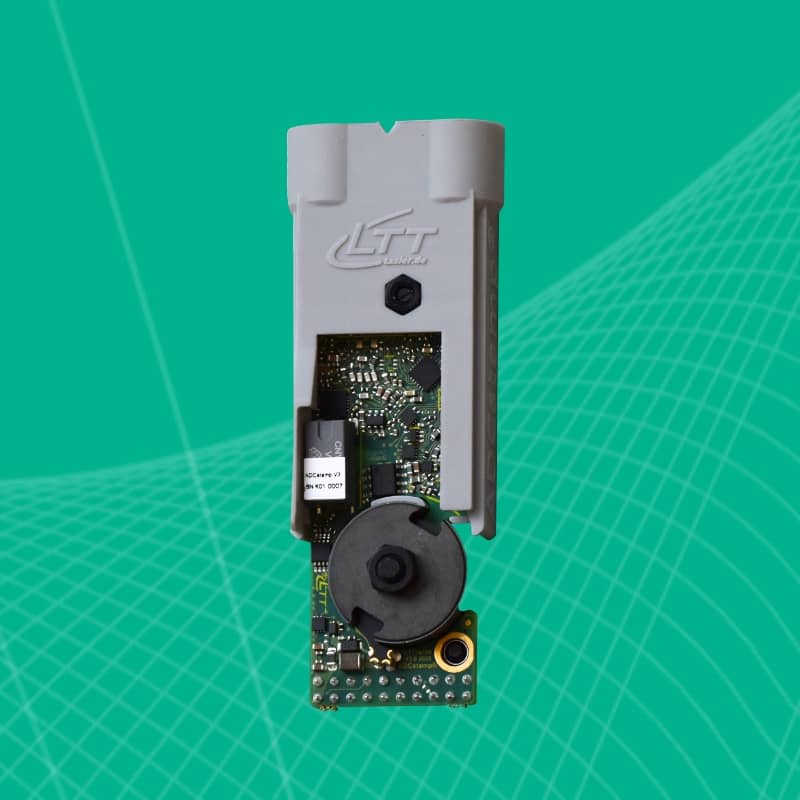
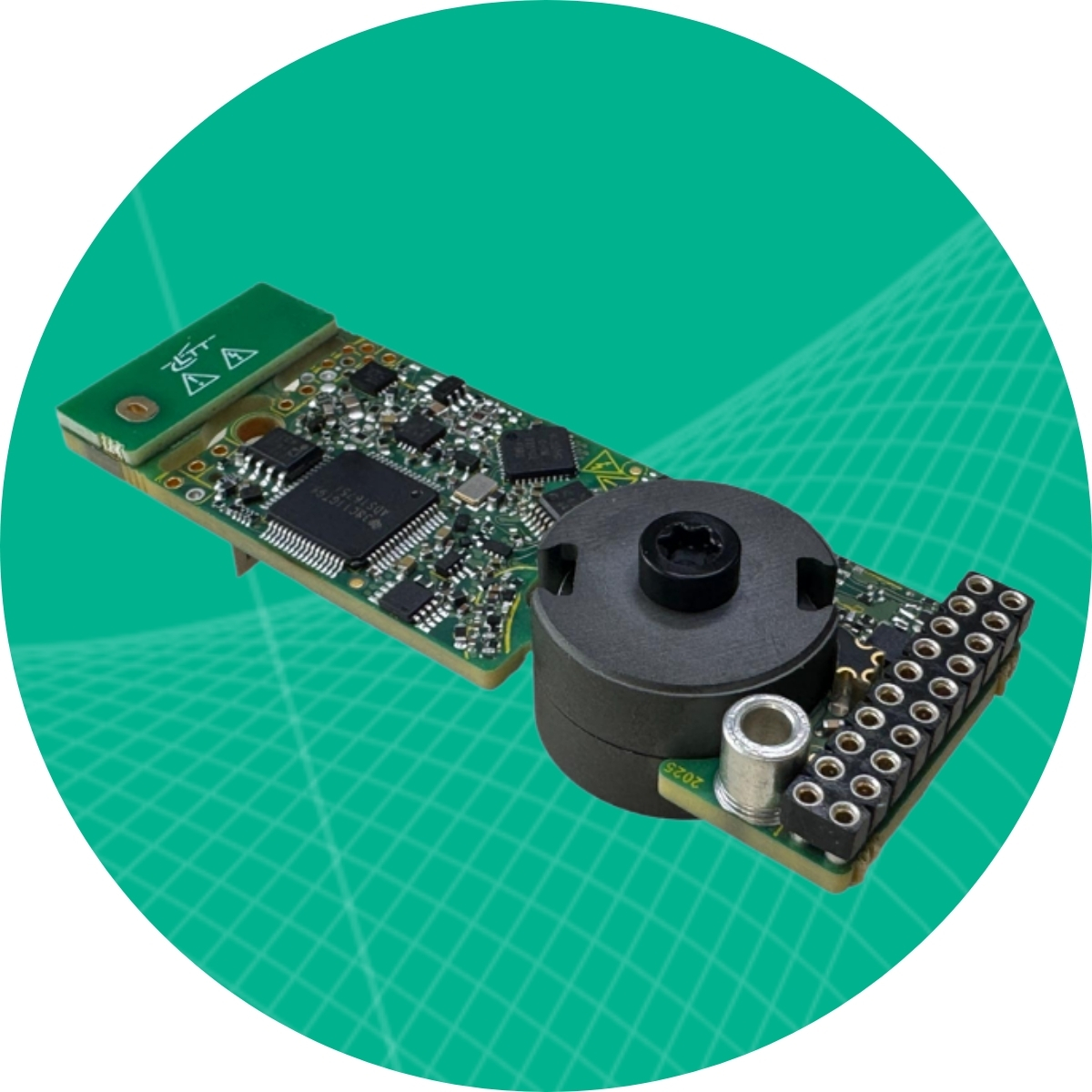
For decision-makers and experts looking to integrate measurement technology directly into their own automation solutions or embedded systems, Labortechnik Tasler GmbH offers a groundbreaking innovation: the ADCstamp.
The ADCstamp is no ordinary converter, but a highly compact AD converter in the form of a System-on-Module (SoM). It combines Labortechnik Tasler’s more than 25 years of experience in high-end measurement technology into a space the size of a postage stamp.
When it comes to implementing precision measurement technology directly on the production line or in the test lab, the LTTsmart measurement system is Labortechnik Tasler GmbH’s solution to the challenges of Industry 4.0. It bridges the gap between extremely fast transient detection and the traditional PLC environment.
In the age of electric mobility and highly efficient frequency converters, traditional active power measurement is often no longer sufficient. Configured as a power-analyzer, the LTTsmart leverages its enormous bandwidth to analyze currents and voltages with a precision that far exceeds the capabilities of conventional power analyzers. It enables the calculation of active, apparent, and reactive power as well as the analysis of harmonics in real time—even during highly dynamic load changes. This makes it an indispensable tool for optimizing drive trains in automated manufacturing.

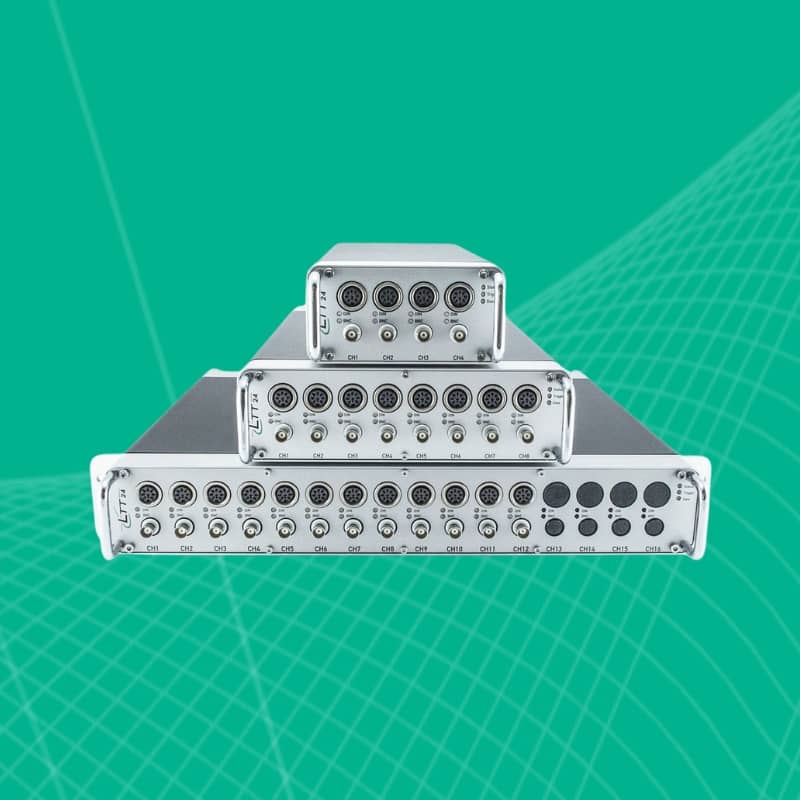
Choosing the right measurement technology is a strategic decision. While complete measurement data acquisition devices such as the LTT24 or the LTTsmart (including an EtherCAT interface) are ideal solutions for test benches, mobile applications, and use in industrial plants, the ADCstamp offers OEMs and system integrators the ability to integrate extremely precise measurement channels directly into their own systems. Labortechnik Tasler GmbH’s products minimize development risk, shorten time-to-market, and guarantee the signal quality that is essential for the next level of industrial automation.