| DEEN

Material forming and the role of measurement systems


Learn how high-precision measurement systems optimize forming technologies, minimize scrap, and detect cracks early

Efficient material forming in industry: Why high-precision measurement systems make all the difference

Modern industrial manufacturing faces constant challenges: Requirements for material strength, precision, and sustainability are increasing, while tolerances are shrinking. To meet these demands, effective and innovative forming processes for metallic and synthetic materials are essential. But how can complex material forming processes be optimized to ensure stable operation and reduce scrap rates? The answer lies in the use of highly precise and ultra-fast measurement systems.
What matters most in material forming in modern industrial facilities

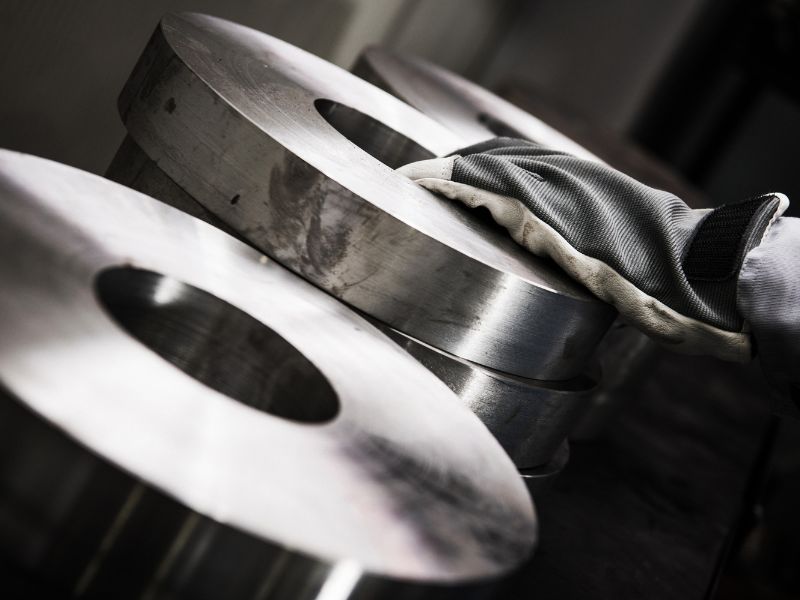
Whether deep drawing, bending, forging, or rolling - industrial forming processes subject raw materials to extreme mechanical forces. During these processes, the microstructures of the material change in fractions of a second under immense stress.

For material testing during or immediately after the forming process to be successful, toolmakers and manufacturers must pay attention to the following key factors:

  • Process stability and repeatability: Even with fluctuating raw material batches, the target geometries must be precisely maintained.
  • Early defect detection: Without monitoring, dynamic overloads or microcracks lead to costly tool wear or scrap.
  • Testing material limits: To produce components that are both lighter and more stable, forming processes often operate close to the material’s stress limit.

Why measurement devices must measure with extreme precision and speed

Standard measurement devices quickly reach their limits in highly dynamic forming processes. When tools strike the material within milliseconds, high-frequency pressure, force, and vibration signals are generated.

Seamless quality control and reliable crack detection therefore require measurement data acquisition systems with extremely high sampling rates and high resolution:

  1. Reducing scrap: If measuring instruments fail to detect deviations, force spikes, or cracks in real time, defective material is processed further. Fast-responding systems stop or regulate the process before serial defects occur.
  2. Transparent process development: When developing new forming technologies, highly dynamic data provides precise insights into material behavior. This significantly shortens development times.
  3. Comprehensive documentation: For safety-critical industries, precise measurement data acquisition guarantees the traceability of every single forming operation.

Applications: Where material forming drives the industry

Material forming technology forms the backbone of numerous key industries. High-precision measurement systems are used in the following sectors, among others:

  • Automotive industry: From complex body parts (e.g., high-strength sheet metal for the safety cell) to chassis components and high-stress parts for powertrains and electric motors.
  • Aerospace: Forming of titanium and special alloys for engine and structural components under extreme quality assurance requirements.
  • Electrical engineering & electronics: Micro-forming of contacts, connectors, and housing components in high volumes.
  • Medical technology: Precision forming for implants and surgical instruments made of biocompatible materials.
  • Heavy machinery and plant engineering: Drop forging and cold forming of large shafts, flanges, and connecting components.

The ideal measurement data acquisition systems for demanding forming processes

To further develop forming technologies in a targeted manner and ensure reliable mass production, companies need measurement technology that makes no compromises. The high-precision measurement data acquisition devices from Labortechnik Tasler GmbH were developed specifically for extremely fast and high-resolution measurement tasks.

Why you should trust LTT for quality control:

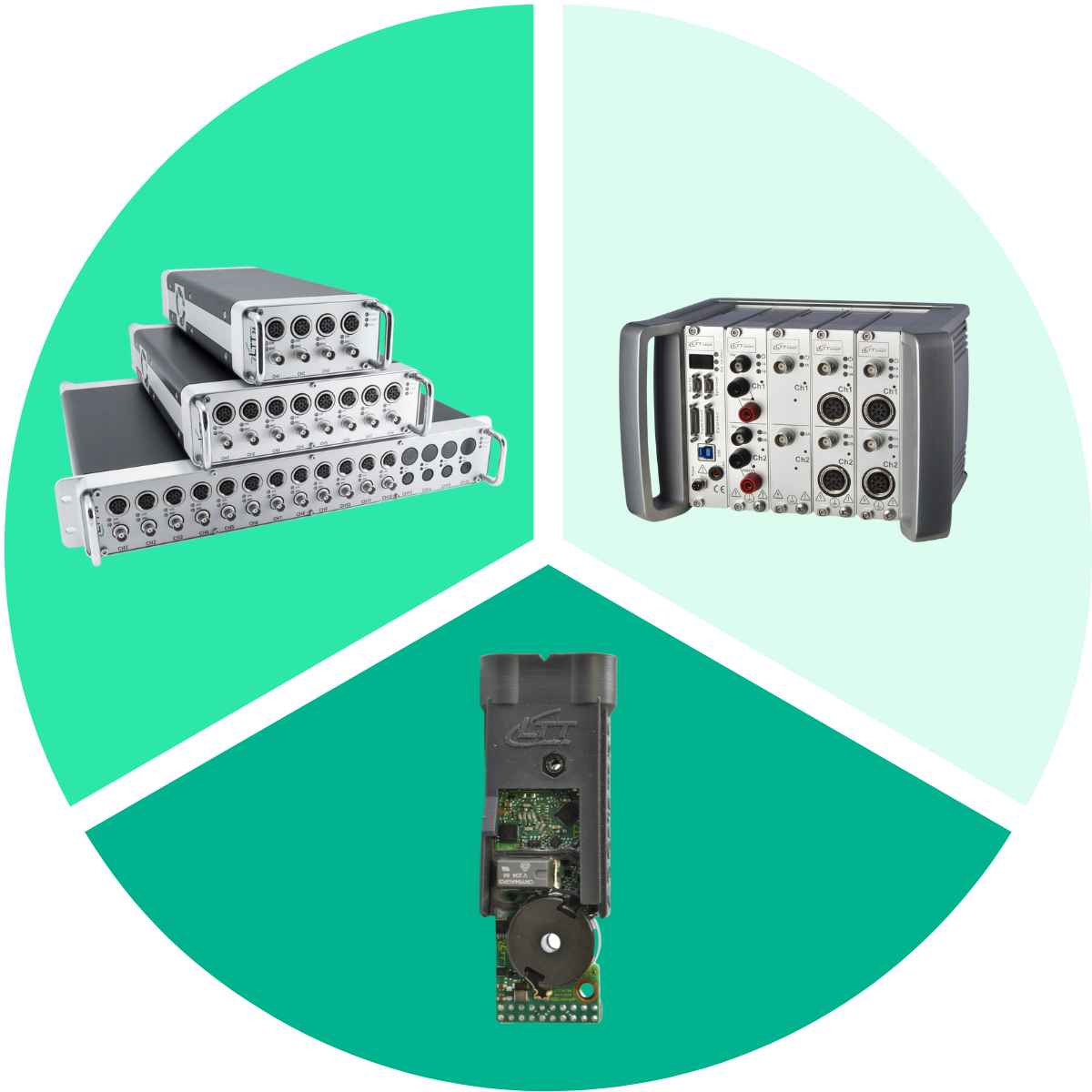
  • Highest sampling rates and resolution: LTT systems (such as the LTT24) capture dynamic processes with sampling rates in the megahertz range per channel -absolutely synchronous data acquisition without phase shifts.
  • Integrated signal conditioning: LTT measuring instruments process signals from a wide variety of sensors (force, displacement, acoustic emission, piezo, voltage) directly within a compact device.
  • Reliable crack and material testing: Thanks to their extremely high bandwidth, LTT systems detect even the smallest acoustic emission signals that occur when microcracks form in formed materials - long before a crack is visible to the naked eye.
  • Flexibility from the Lab to Production: Whether in the initial development of new alloys in research or as a robust measurement system on the production line - LTT offers the right interface for rapid data analysis.

With the innovative solutions from Labortechnik Tasler GmbH, companies invest in maximum manufacturing quality, minimized scrap rates, and future-proof advancement of their forming technologies.

Do you have any questions? You can easily reach our representatives via our contact form or simply give us a call at +49 931 359 610.
More interesting application reports on LTT measurement technology